

Most foreign renters who start their Kyoto search by targeting the city's historic central wards eventually hear the same piece of advice from anyone who actually works this market: if you want to move quickly and avoid repeated rejection, look at Fushimi first. It rarely comes up in a first-pass search, overshadowed by its own tourist landmark, but it is consistently the ward where atypical foreign applicants — freelancers, short-term visa holders, anyone without a long Japan rental history — find the fastest and most realistic path to an actual signed lease.
Where Fushimi Actually Sits
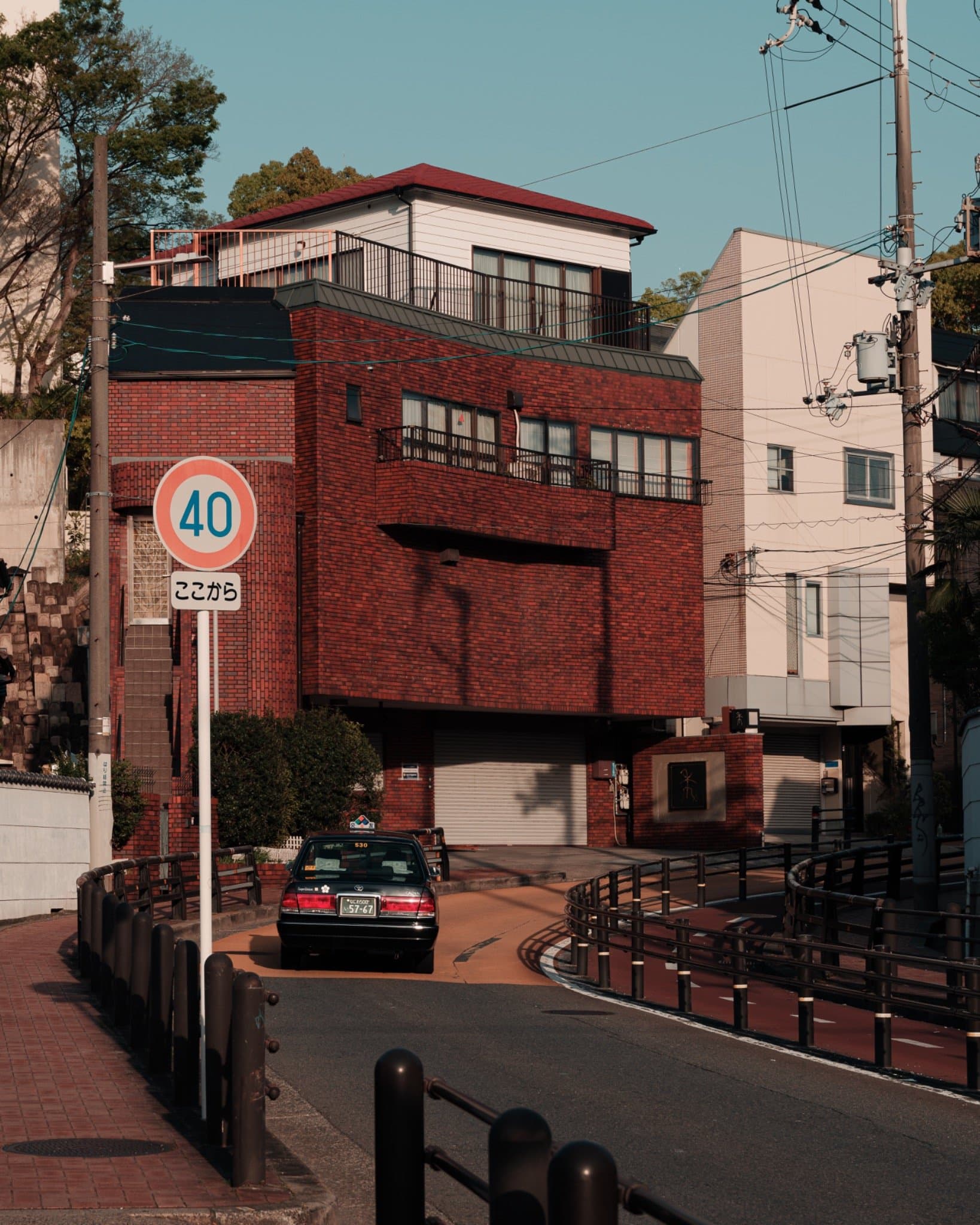
Fushimi Ward stretches across the southern edge of Kyoto, down toward the border with Nara Prefecture. It is one of the city's largest wards by area, mixing older residential streets, pockets of light industry, and — most famously — the vermilion torii gates of Fushimi Inari Taisha, one of the most visited shrines in Japan. Despite that global name recognition, the vast majority of Fushimi functions as an ordinary, largely residential part of the city, only loosely touched by the tourist flow concentrated around the shrine itself.
Transport here is a genuine strength. Three separate rail operators serve the ward — the Keihan Main Line, the JR Nara Line, and the Kintetsu Kyoto Line — giving residents direct connections not just into central Kyoto but onward to Osaka and Nara as well. The Keihan line in particular puts Fushimi within about twenty-five minutes of Yodoyabashi in central Osaka, which makes the ward a genuinely practical base for anyone splitting their time or their work between the two cities, not just a Kyoto-only commuter.
Why Fushimi Works Differently for Foreign Applicants
The core reason Fushimi stands out isn't its price, though that helps — it's the structure of ownership and management here. A larger share of the ward's rental stock sits with professional management companies and newer construction than in Kyoto's older central wards, and those companies tend to apply standardized screening criteria rather than a landlord's personal judgment about a specific applicant. The result, consistently observed by anyone working this market across many applications, is the highest acceptance rate for atypical foreign profiles of any ward in the city — tenants here with stable but non-traditional employment, valid visas, and reasonable budgets routinely secure housing within two to three weeks, a timeline that can take two to three times longer in Kyoto's more selective central neighborhoods.
This isn't a coincidence of demand being low. It reflects a genuinely different landlord mindset: property managers and owners in Fushimi tend to reason in terms of rental yield and occupancy rather than preserving a particular image for their building, which in practice makes them considerably more open to a well-prepared foreign applicant than an individually-owned building in a more prestigious part of the city.
Where the Friction Actually Shows Up
The main friction in Fushimi isn't acceptance — it's managing expectations about what the ward actually offers day to day. Large sections of it, away from the shrine and the stations themselves, are genuinely unglamorous: older buildings, light-industrial pockets, and a slower commercial rhythm than central Kyoto. An applicant drawn purely by Fushimi Inari's name recognition, expecting to live inside a postcard scene, will be disappointed by the reality of renting a short walk from — rather than directly beside — the shrine's tourist perimeter.
A second, more practical friction point is Fushimi's sheer size: rental conditions, building age, and typical tenant profile vary meaningfully between the areas closest to each of the three train lines, and treating the ward as a single market rather than several overlapping micro-markets can produce confusing comparisons between listings.
The third is the same guarantor company variation found across the region — even in a ward this open to foreign tenants, not every guarantor company evaluates every visa type and employment structure identically, and matching the right company to your specific profile still matters.
Rent Levels and What Drives Them
Fushimi is genuinely affordable relative to central Kyoto, with rents typically running twenty-five to thirty-five percent below equivalent units in wards like Nakagyo. A 1K studio generally falls between 40,000 and 55,000 yen, a 1LDK between roughly 55,000 and 75,000 yen, and a 2DK — a real option for couples or small families — between about 65,000 and 85,000 yen. These prices buy noticeably more space and, often, newer construction than a comparable budget would secure closer to central Kyoto, a trade-off that consistently surprises tenants who assumed affordability would come at the cost of livability.
Who Fushimi Suits, and Who It Doesn't
Fushimi is a strong fit for anyone prioritizing a fast, realistic path to signing a lease — freelancers, entrepreneurs, recent arrivals, and anyone without an established Japan rental history. It suits professionals splitting time between Kyoto and Osaka particularly well, given the Keihan line's direct access to Yodoyabashi, and it works for budget-conscious families needing real space rather than a compact central-Kyoto unit. It suits those priorities more naturally than it suits someone whose primary goal is a prestigious central address or an immersive, traditional streetscape experience — those remain available in Fushimi only in specific pockets, not as the ward's general character.
Working With a Broker in a Ward Like This
The value of local guidance in Fushimi isn't convincing a landlord to accept you — the ward is already genuinely open. It's about moving efficiently: knowing which of the three train-line catchments actually fits your commute and budget, filtering out the listings that trade purely on Fushimi Inari's name without delivering real proximity, and selecting a guarantor company that matches your specific visa and employment situation so your fast approval odds don't get slowed down by an avoidable mismatch.
If Fushimi's combination of affordability, space, and realistic approval odds sounds like the right starting point for your Kyoto search, a conversation with someone who actually works this market can help you move quickly and land in the right pocket of the ward on the first try, rather than the third.
Find Your Perfect Property in Osaka
We have a curated selection of properties for rent and for sale across Osaka.
View properties


Let's Find Your Perfect Osaka Home.
Foreigner-friendly. Bilingual. Exclusive listings.
Contact us today and move in within 2 weeks.
